Introduction
Delirium is a syndrome characterized by acute changes in mental status that leads to disturbances in attention and cognition. It commonly occurs in hospitalized older adults following severe illness or surgery, and is associated with increased morbidity and mortality, longer hospital stays, and physical and cognitive decline.1,2 Postoperative delirium (POD) is a well-known complication following surgical interventions including hip fracture repair surgery, with an incidence ranging from 13-56%.3 Although a common phenomenon, there are no treatments available for patients with postoperative delirium and its underlying pathogenesis remains poorly understood. Recognized mechanisms for postoperative delirium include neurotransmitter imbalance, reduced metabolism, dysregulation of the stress response and the sleep–wake cycle, and inflammation.4–6 Neuroinflammation is thought to lead to neuronal injury, damage, and in some cases, death.7 Proinflammatory cytokines, like Tumor necrosis alpha (TNF- α) have been found to be involved in surgery induced neuroinflammation and subsequent cognitive decline.8,9 One study examined preoperative cerebrospinal fluid (CSF) cytokine levels and the risk of postoperative delirium in hip fracture patients, and found lower anti-inflammatory mediators in patients who developed delirium after surgery.10
Beyond delirium, systemic inflammation has emerged as a significant driver of cognitive decline in older adults.11 Acute systemic inflammatory events, associated with an increase in serum levels of proinflammatory cytokine TNF- α, have been found to be associated with accelerated cognitive decline in patients with Alzheimer’s disease.12 Gross et al, in the Biomarkers of Cognitive Decline among Normal Individuals (BIOCARD) study showed that inflammation, mediated by TNF signaling, was associated with a greater risk of progression from normal cognition to mild cognitive impairment.13 Thus, inflammation may influence delirium risk and cognitive outcomes after postoperative delirium.
For the present study, we were interested in assessing the relationship between chronic inflammation and postoperative delirium. Expanding our understanding of delirium biology could help to identify targets to manage this condition. We selected Tumor Necrosis Factor Receptor 1 (TNFR1) as a surrogate marker for chronic inflammation that plays a role in regulating both peripheral and central inflammation. We focused on a single biomarker to provide a deeper investigation into this specific marker of inflammation that has previously shown an association with cognitive decline. TNF- α is hypothesized to be a key mediator of Alzheimer’s disease pathology in both mice and humans.14,15 TNFR1 has also been shown to predict long-term mortality and adverse health outcomes in older adults.16 Both peripheral (plasma) and central (CSF) levels of TNFR1 were assessed. Prior studies examined the association between inflammatory biomarkers, both individually and collectively, with delirium across a range of populations.13,17–19 Although multi-panel biomarker studies may provide a comprehensive view of a complex process like inflammation, these oftentimes pose more challenges with interpretation of findings and reproducibility across studies. This study examines a single inflammatory biomarker sampled from both CSF and plasma to evaluate its association with postoperative delirium incidence, delirium severity, and cognitive trajectories in a well characterized population following hip fracture repair.
Methods
Study Sample
The study involved secondary analysis of data from participants enrolled in the clinical trial “A Strategy to Reduce the Incidence of Postoperative Delirium in Elderly Patients” (STRIDE), conducted from November 18, 2011, to May 19, 2016. This prospective cohort of patients with traumatic hip fractures underwent hip fracture repair surgery at the Johns Hopkins Bayview Medical Center and included patients ≥ 65 years old, that had preoperative MMSE ≥15 and were eligible for spinal anesthesia. Exclusion criteria included the presence of preoperative delirium, stage IV congestive heart failure, or severe chronic obstructive pulmonary disease. Blood and CSF were obtained prior to surgery. Details of the original Randomized control trial (RCT) have been described previously20; the effect of heavy or light propofol sedation during surgery on delirium incidence, the primary outcome, was examined, and there was no effect. Data are now used for this analysis as a cohort study. Patients were assessed for delirium based on screening using the Confusion Assessment Method (CAM)21 that were adjudicated by a consensus diagnostic panel using Diagnostic and Statistical Manual of Mental Disorders (Fourth Edition) criteria, delirium severity (rated using the DRS-R-98), and cognition preoperatively and postoperatively on days 1 through 5, or hospital discharge (whichever came first) and at 12 months. TNFR1 levels were measured in CSF and plasma samples obtained preoperatively. Global clinical dementia rating (CDR) scores, generated by a consensus panel of two psychiatrists and one geriatrician blinded to the intervention using a modification of the published CDR,22 were used to define cognitive baselines: and scored as cognitively unimpaired (CDR=0) and cognitively impaired (CDR>0). The MMSE was purchased and used with permission from Psychological Assessment Resources (PAR), Inc.
CSF and Blood Sample Collection and Processing
CSF samples were collected at the start of spinal anesthesia, aliquoted and stored at −80C. Blood samples were obtained at the same time, as previously described.23 TNFR1 was assayed by the Johns Hopkins Dermatology, Allergy and Clinical Immunology Reference Laboratory using R&D System RTNF-R1 ELISA kit (LOT P317214) and calibrated using a standard serum sample with 500 pg/ml TNF-R1 by the manufacturer.
Statistical Analysis
We examined the association of preoperative TNFR1 and postoperative delirium by modeling the risk of delirium incidence as a function of TNFR1 levels using logistic regression and by modeling the severity of delirium using linear regression. We also examined the relationship between inflammatory markers and change in clinical dementia rating and cognitive function using the Mini-Mental State Examination (MMSE) at baseline, 1 month, and 12 months after surgery using random-intercept linear spline models. Specifically, models included fixed effects for time from surgery, preoperative TNFR1 (CSF or plasma), and the interaction between time and TNFR1, as well as a random intercept for each subject. Model parameters were estimated using maximum likelihood estimation. Models were adjusted for age, sex, education, intended intervention randomization, and baseline Charlson comorbidity Index (CCI), given prior knowledge of the association of these variables on cognitive outcomes of interest. R version 4.4.1 and Python 3.12 were used for statistical analysis.
Study variables
Charlson comorbidity Index (CCI) assigns points to 19 medical conditions, with scores ranging from 1 to 6 depending on the condition, with a maximum score of 37, while a score of 0 indicates no comorbidities. Higher CCI scores indicate greater comorbidity and a higher risk of mortality or other adverse outcomes. CDR-SB is the sum score of the six domains (range 0–18; 0 (normal), 0.5–4.0 (questionable cognitive impairment to very mild dementia), 4.5–9.0 (suggests mild dementia), 9.5–15.5 (suggests moderate dementia), 16.0–18.0 (suggests severe dementia). Modified CDR and delirium based on the Confusion Assessment Method (CAM) screening scores were completed by a consensus panel. Delirium severity was evaluated using delirium rating scale DRS-R-98 scores, a 16-item clinician rated scale that includes 13 severity items and 3 diagnostic items; Peak DRS-R-98 score was used for delirium severity in this analysis. Mini Mental State Exam (MMSE- range 0–30, baseline minimum 15). Global CDR score was used to define baseline cognitive status, with Global CDR=0 defining cognitively unimpaired, and Global CDR>0 defining cognitively impaired.
Results
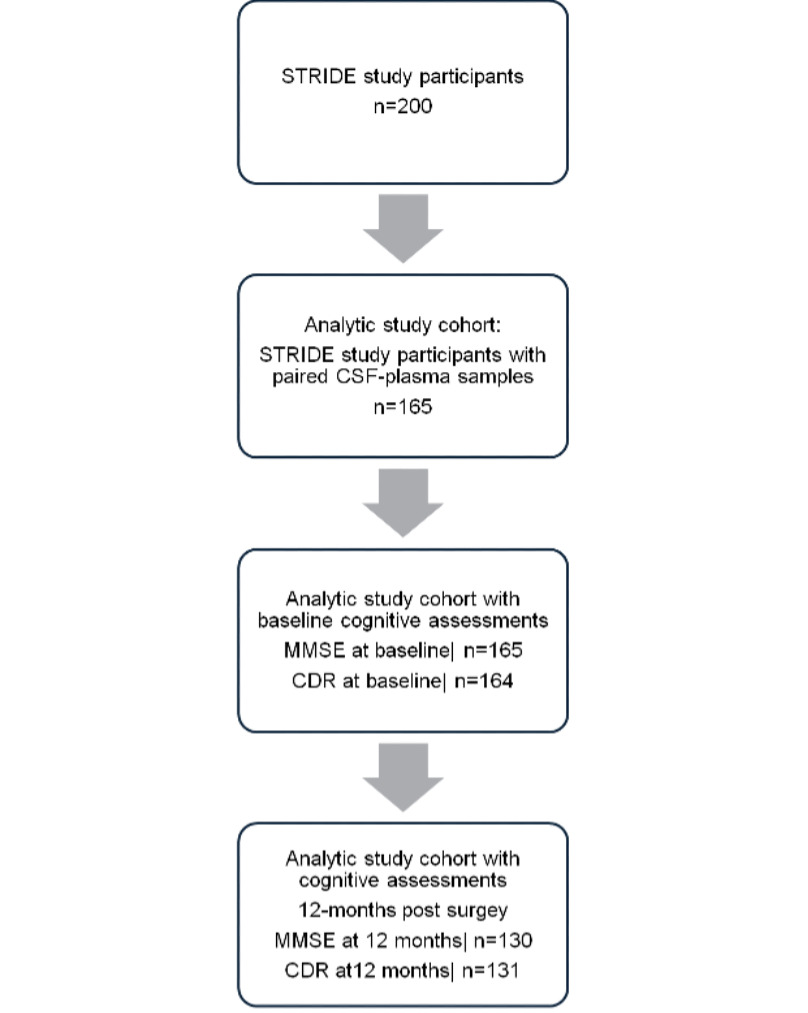
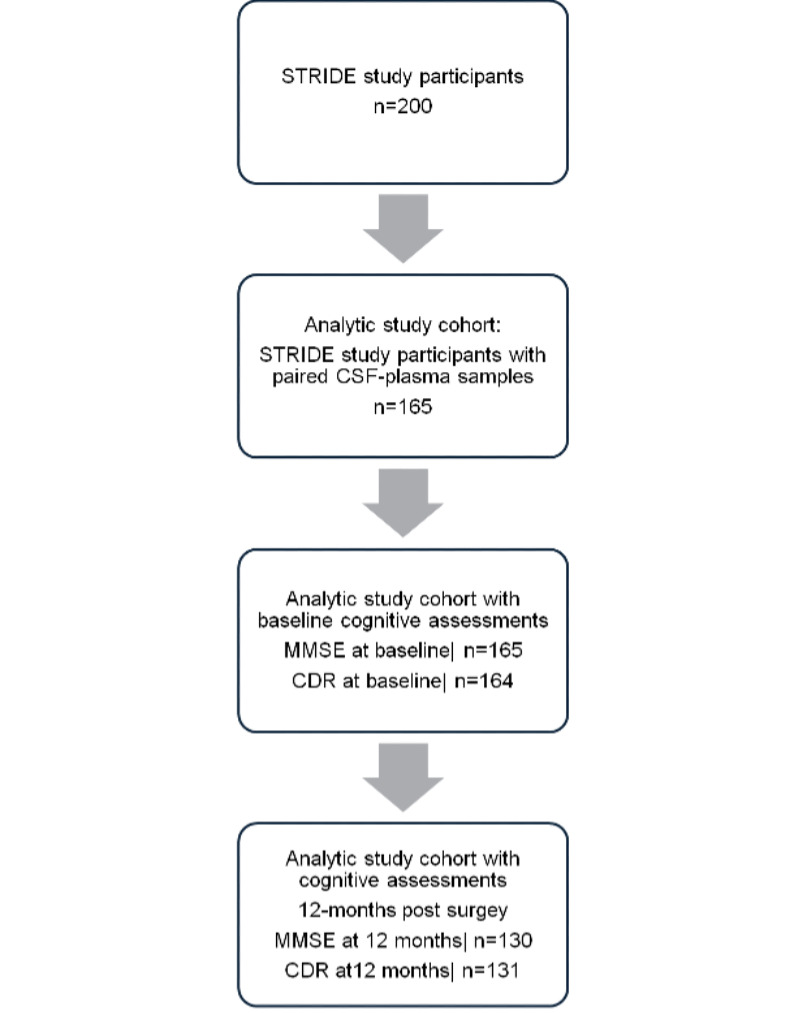
A total of 165 participants in the STRIDE cohort (total cohort n= 200 (Supplemental Figure 1)) had CSF and plasma samples that were assayed for TNFR1 plasma and CSF levels (Table 1, Supplemental Table 1). In this group 27% were male (n=44), and 73% were female (n=121). The average age of this cohort was 81.7 years; 61 patients (37%) experienced delirium, while 104 did not. Demographics were similar for participants in the cohort that did not have available samples for TNFR1 assessment. Those that experienced delirium, compared to those that did not experience delirium, were on average older, with higher Charlson Comorbidity Index (CCI) ratings, lower baseline MMSE, and higher baseline clinical dementia rating scale (CDR-SB) scores.
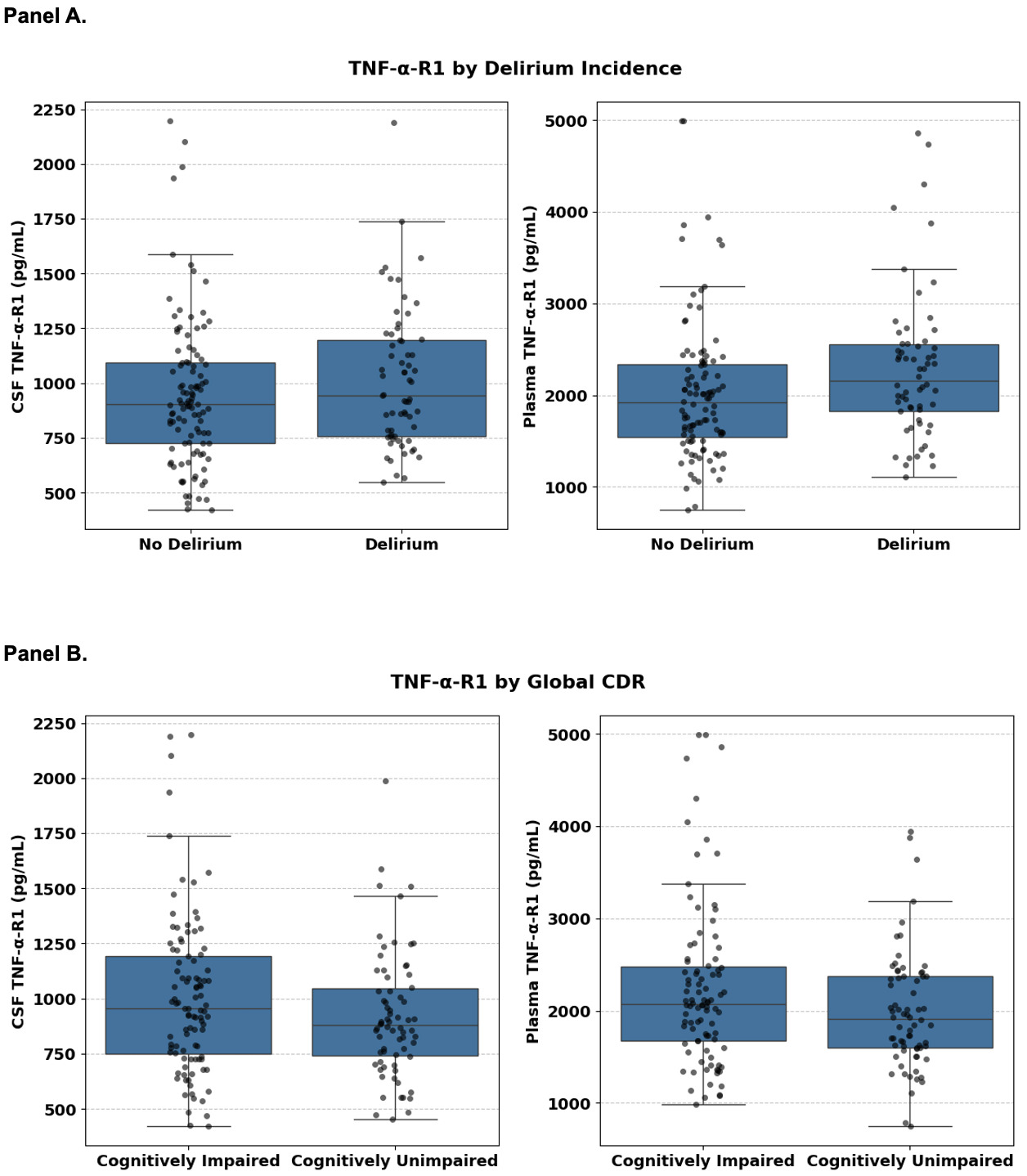
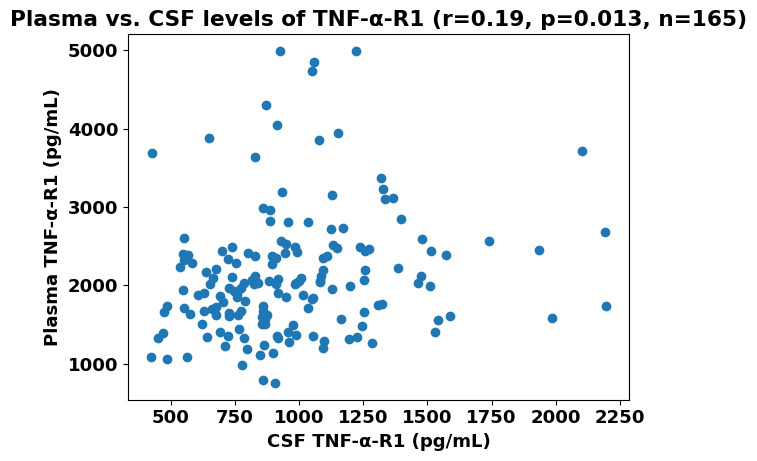
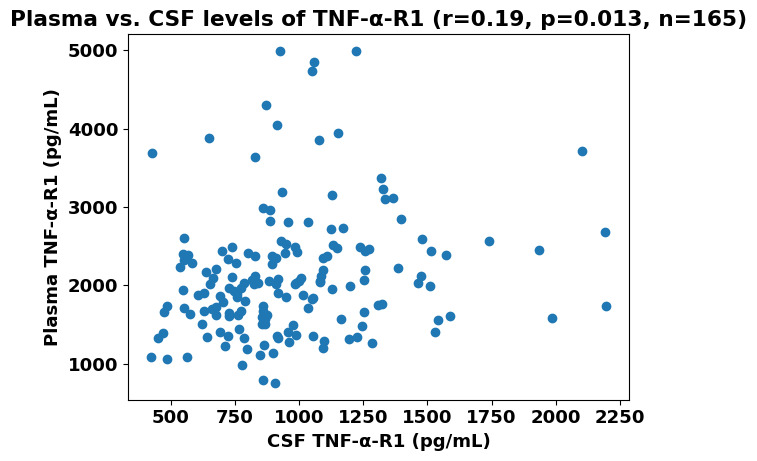
The distribution of TNFR1 in the CSF and plasma for the delirium vs no delirium groups and by baseline cognitive impairment status (impaired vs. unimpaired) is shown in box plots of Figure 1. Plasma TNFR1 and CSF TNFR1 levels were weakly correlated in this sample, R2=0.04. p=0.01 (Figure 2). This low correlation coefficient suggests that only a small percentage (<4%) of the variance in plasma TNFR1 levels is explained by variance in CSF TNFR1 levels.
_by_delirium_status.png)
Unadjusted and adjusted logistic regression models of delirium incidence as a function of preoperative TNFR1 levels were run, along with unadjusted and adjusted linear regression models of delirium severity as a function of TNFR1 (Table 2). In unadjusted models, there was a significant association between a 1-SD difference in preoperative plasma TNFR1 levels and higher delirium incidence (OR 1.40, 95% CI [1.02, 1.93]). Preoperative plasma TNFR1 levels were also minimally associated with delirium severity (β 0.002, SE 0.001, p 0.03). When models were adjusted for age, sex, and education, intended randomization, and CCI, these associations were no longer significant. No significant association was observed with delirium incidence or delirium severity by preoperative CSF levels of TNFR1 (Table 2).
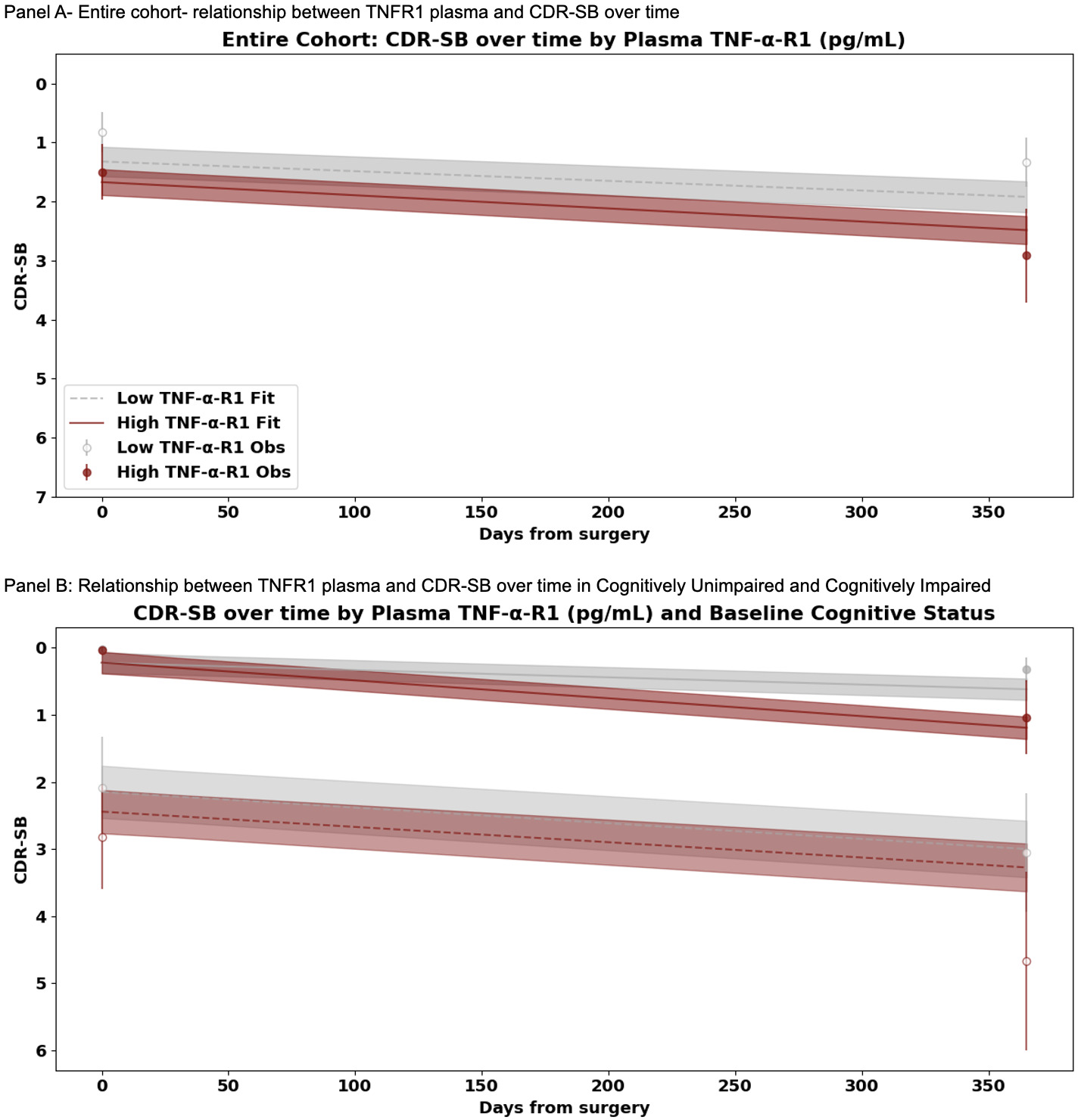
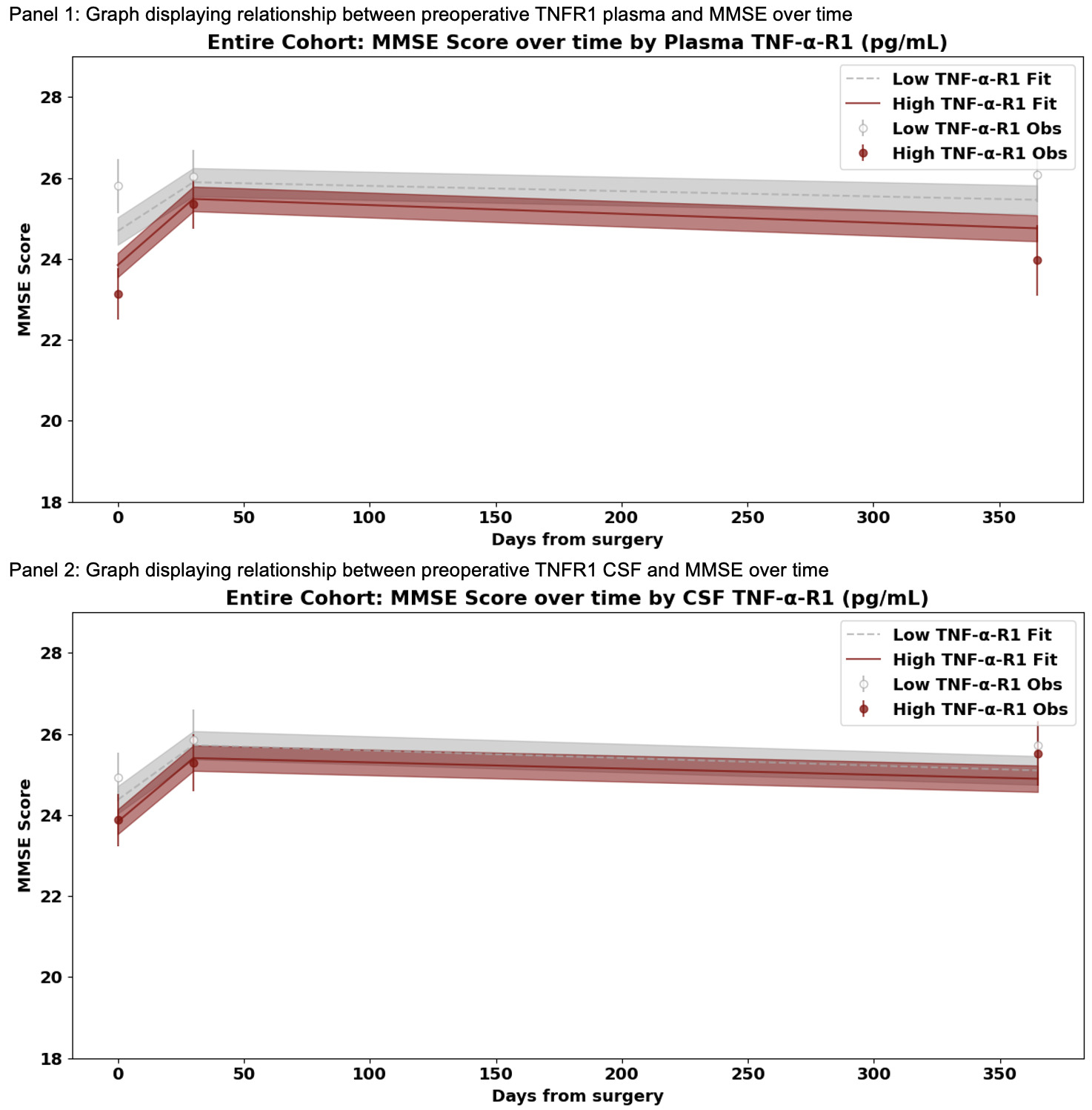
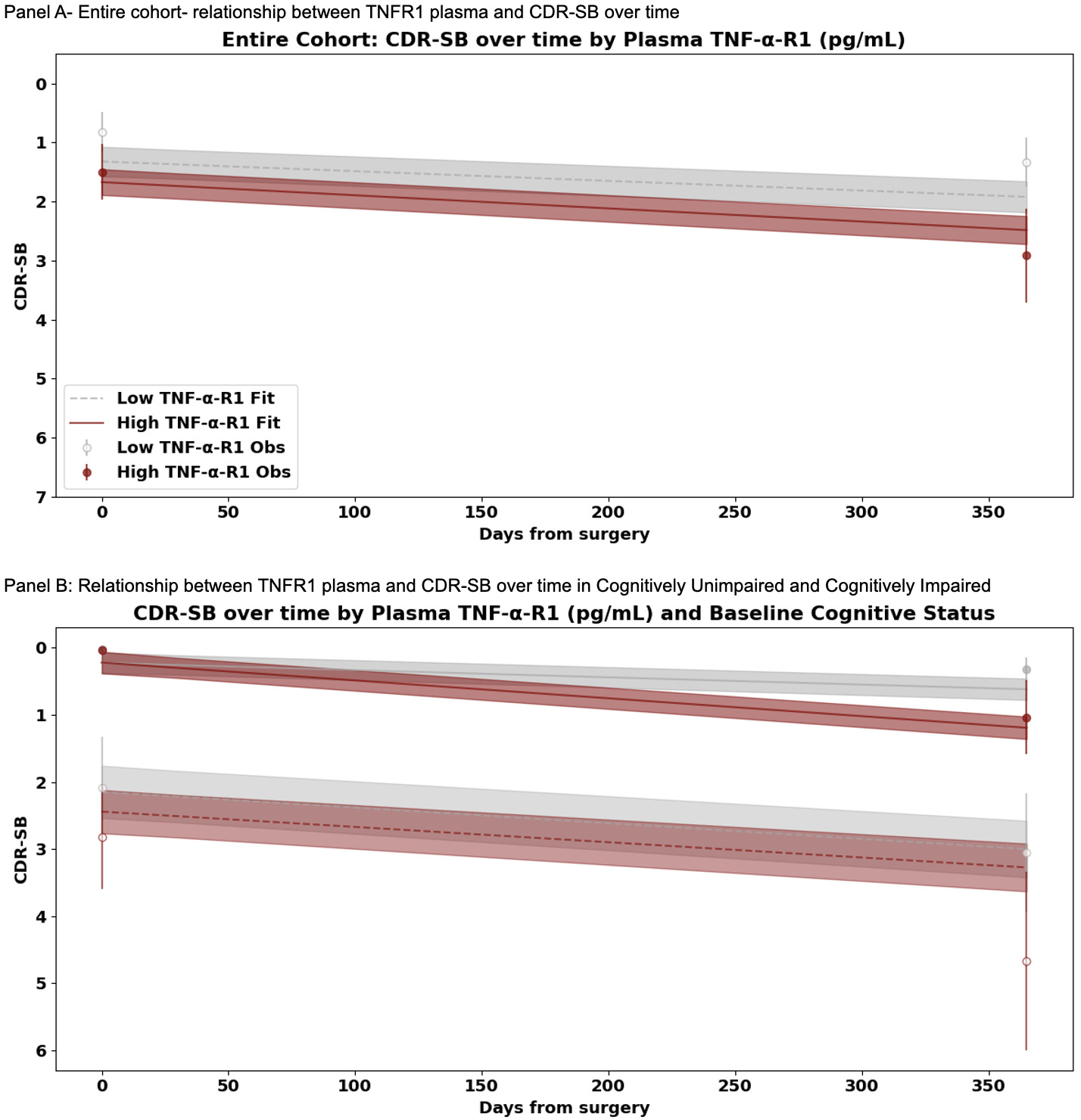
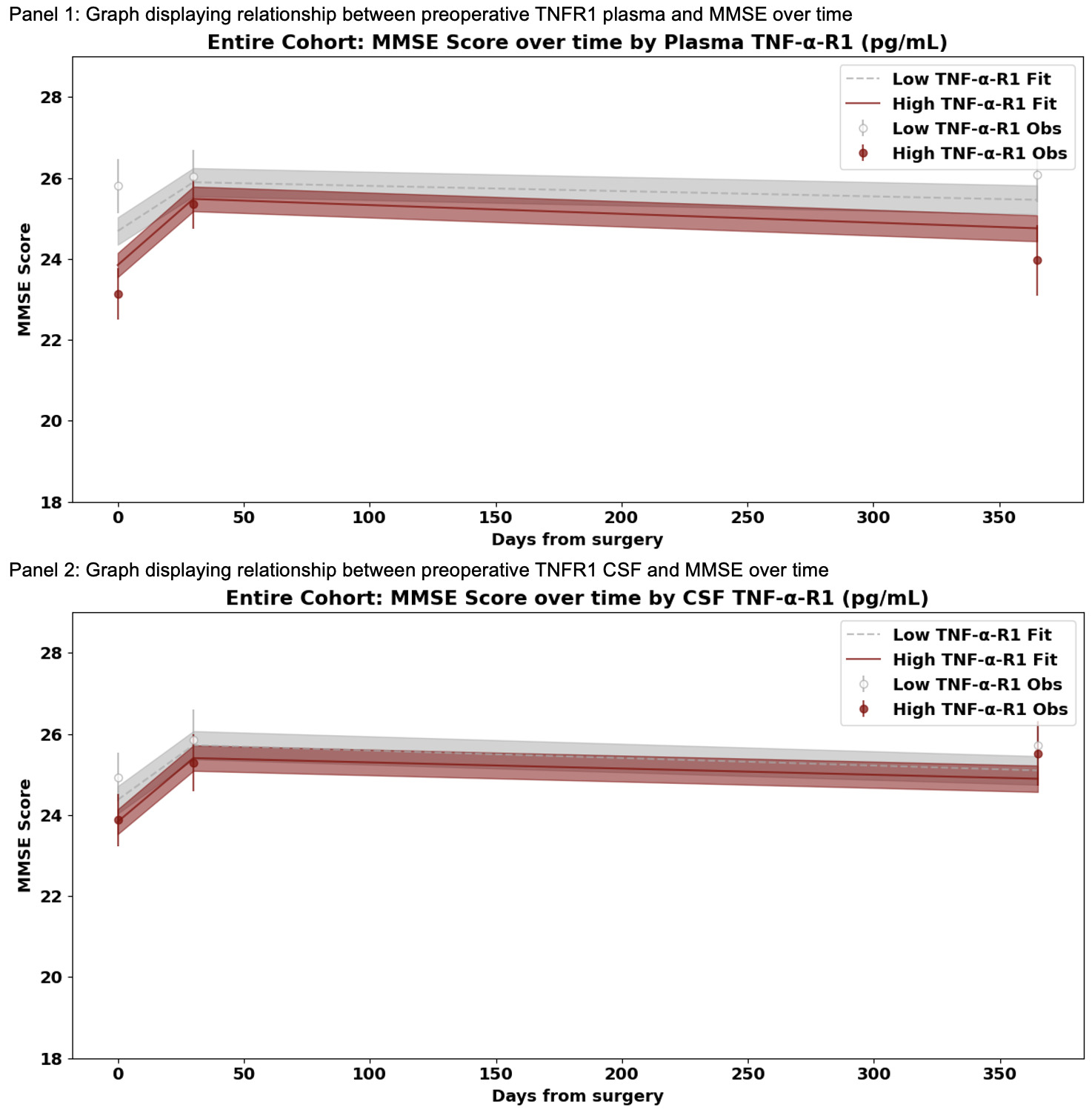
To examine the association between preoperative TNFR1 levels with cognitive baseline and cognitive changes after hip fracture repair we used random-intercept linear models with CDR-SB score at baseline and 1 year post surgery, and random-intercept linear spline models with MMSE at baseline, 1 month, and 1 year post surgery; in these models we adjust for delirium incidence (Supplemental Table 2). For the entire cohort we found that plasma TNFR1 levels were significantly associated with cognitive baseline (represented by MMSE at baseline) in unadjusted analyses (β -0.001, SE 0.0004, p 0.004); specifically, higher TNFR1 levels were associated with lower baseline MMSE (Figure 3). However, this association was not maintained in adjusted analyses (β -0.001, SE 0.0003, p 0.09) (Supplemental Table 2). Beta coefficients for the association of cognitive baseline with the biomarkers represent the mean difference in cognitive baseline MMSE score per unit difference in biomarker levels; these correspond to a 0.82-point (unadjusted) or 0.45-point (adjusted) lower baseline MMSE per one-standard-deviation difference in plasma TNFR1. These Beta coefficients are small and while statistically significant, were not considered clinically significant. There were no significant associations between preoperative TNFR1 levels in CSF or plasma and rate of change in cognitive outcomes in the entire cohort (Supplemental Table 2, Supplemental Figure 2). Notably, these findings are hypothesis generating as they are from secondary analysis on an RCT that was not specifically designed or powered for biomarker prediction.
Discussion
This study examines the relationship between an inflammatory biomarker, specifically tumor necrosis factor-alpha receptor 1 (TNFR1) sampled in both cerebrospinal fluid (CSF) and plasma, and the risk of postoperative delirium, baseline cognitive function, and subsequent cognitive decline in older adults undergoing hip fracture repair. We found a significant association between plasma TNFR1 levels and postoperative delirium in unadjusted analyses. In adjusted analyses, none of the associations remain statistically significant. It is important to note that our study may have been underpowered to detect significant associations. Nonetheless, our findings add to a body of evidence that inflammatory pathways may play a role in the pathophysiology of delirium. In this study, we did not find a consistent effect of TNFR1 levels on subsequent cognitive outcomes, suggesting that other factors likely contribute to long-term cognitive decline in this hip fracture repair cohort.
As hypothesized, higher plasma levels of TNFR1 in unadjusted analyses were associated with increased postoperative delirium, which aligns with previous studies that suggest that systemic inflammation is a driver of delirium in older adults.24 Other groups have presented various mechanisms by which delirium and inflammation may be linked. In a translational model, Wang and colleagues reported that surgery triggers neuroinflammation and a failure to resolve this inflammatory state may contribute to delirium and subsequent neurodegenerative pathology.25 There is also literature supporting systemic inflammation as a driver of cognitive decline,11,26 which fueled the interest in assessing whether preoperative inflammation influences cognitive trajectories post delirium.
We did not find an association between CSF TNFR1 levels and delirium and cannot support the hypothesis that inflammation in the central nervous system directly contributes to delirium development. This result is somewhat surprising given the central role the brain’s immune response is thought to play in the pathogenesis of delirium.26 In this study all patients had a hip fracture, and we did not expect differential levels of TNFR1 from the fracture, though it is conceivable that minor differences may exist based on this confounder (i.e. time between fracture and biomarker sampling). Others have shown that the immune response after a traumatic fracture can differ in older patients.27 Additionally, we found a very weak correlation between blood and CSF levels of TNFR1, suggesting blood biomarkers may not be a strong proxy for CSF levels. Given this is secondary analysis, these findings are exploratory, as this study may not have been sufficiently powered to detect a more robust correlation.
We did not observe an association between TNFR1 and rate of change of cognitive changes, as measured by 12-month changes in the Mini-Mental State Examination (MMSE) and Clinical Dementia Rating Scale-Sum of Boxes (CDR-SB). This lack of association may suggest that inflammation, although an important predictor of cognitive impairment in the short-term, does not always predict later cognitive decline. It is also possible that the cognitive outcomes assessed in this study were influenced by other factors beyond inflammation, including but not limited to the presence of pre-existing cognitive impairment, surgical complications, or postoperative rehabilitation quality. Of note, in this study baseline cognition, as assessed by MMSE, differed between the delirium and no-delirium groups, as has been seen in other cohorts.2 Future studies with a wider array of inflammatory markers may provide a more comprehensive understanding of how inflammation contributes to acute and long-term cognitive decline in patients with POD.
While this study offers insights into the role of TNFR1 in postoperative delirium and cognitive decline, it had several limitations. First, the study was exploratory, and with the associations observed, causality cannot be inferred, and it must be acknowledged that the parent RCT was not designed to test these specific associations. Also, the sample size, while large (165 participants with biomarkers), may not have been enough to detect more subtle effects of TNFR1 on cognitive outcomes. Another limitation is that it is possible that the time between fracture and preoperative blood and CSF collection could influence the relationships examined; we did not have the ability to control or adjust for this. Furthermore, the use of only one biomarker (plasma and CSF TNFR1) evaluated at a single (preoperative) timepoint limits our understanding of the broader inflammatory milieu that might influence delirium and cognitive decline, and future studies should include additional markers of inflammation and neuroinflammation measured at multiple timepoints. Mintz and colleagues found that using a multi-protein inflammatory index weighted summary score provided a slight advantage over individual inflammatory markers in their association with delirium.24
Nevertheless, this study had many strengths: it represents a large cohort, with participants who underwent detailed cognitive evaluations performed by trained research staff with adjudicated assessments and included paired CSF and plasma samples to assess TNFR1. Few reported studies were able to examine both CSF and plasma TNFR1 in a POD cohort28–30; prior studies examined either when considering preoperative inflammation.10 Other studies with biomarker assessment at additional time points had smaller sample sizes.31
Conclusion
Plasma, but not CSF, TNFR1 level is associated with the unadjusted risk and severity of postoperative delirium in older adults undergoing hip fracture repair. Notably, these associations lose significance once models are adjusted for demographic and clinical characteristics. This study highlights an association between inflammation and delirium, which may help to increase our understanding of the underlying pathogenesis of this complex syndrome. Although we did not identify a clear relationship between a single preoperative TNFR1 level and long-term cognitive decline, these results require further investigation into the complex interplay between systemic inflammation, brain inflammation, and cognitive outcomes in older surgical populations. Future research is needed that investigates these pathways, as this may provide biologically relevant information that could be targeted in the treatment and prevention of delirium, which may be a modifiable risk factor for ultimate cognitive decline seen in dementia.
Conflict of interest
The authors have no financial or personal conflicts of interest to report. Dr. Inouye is Editor in Chief of JAMA Internal Medicine and holds the Milton and Shirley F. Levy Family Chair at Hebrew SeniorLife/Harvard Medical School.
Acknowledgements
We thank the participants and families involved in the original STRIDE clinical trial.
Author contributions
The corresponding author confirms that all individuals who contributed to this manuscript have been included in the authorship list. MU, PA, and EO formulated the research question. CL, SI, EM, PR, KN, FS, and EO designed the study and supervised the data collection. MU, NW, and KI drafted the manuscript. RB performed biological sample analysis. AS and JL performed the data analysis. All authors contributed to data interpretation and substantial revisions and contributed to the manuscript.
Ethics statement
The research protocol was approved by the Johns Hopkins Institutional Review Board, which oversaw the A STrategy to Reduce the Incidence of Postoperative Delirium in Elderly Patients study. The trial was registered at ClinicalTrials.gov (NCT00590707 ). Informed consent was obtained from patients or legal representatives for patients unable to give informed consent.
Funding sources
Research reported in this publication was supported by 5KL2RR025006 [Johns Hopkins Institute for Clinical and Translational Research (ICTR) which is funded in part by Grant Number UL1 TR 001079 from the National Center for Advancing Translational Sciences (NCATS) a component of the National Institutes of Health (NIH)] (EO), K23AG043504 (NIA/NIH) (EO), R01AG057725 (NIA/NIH) (EO), R01AG033615 (NIA/NIH) (FS, KN), P50AG005146 (CL), R33AG071744(NIA) (SKI, ERM), P01AG031720 (SKI), R01AG051658 (ERM) the Roberts Gift Fund (EO), T32AG066576 (NIA) (MU); K12TR004925 (MU), and MU is a Sarah Miller Coulson Center for Innovative Medicine Human Aging Project and Next Generation scholar. The funding sources had no role in the design, conduct, or reporting of this study.
Declaration of interests
The authors disclosed no proprietary or commercial interest in any product mentioned or concept discussed in this article.
Data availability
The datasets generated for this study are available on request to the corresponding author.